Singleminded

21 November 2019

A couple of days back I was in the Lavender Street area after attending the wake of a pioneer street animal rescuer.
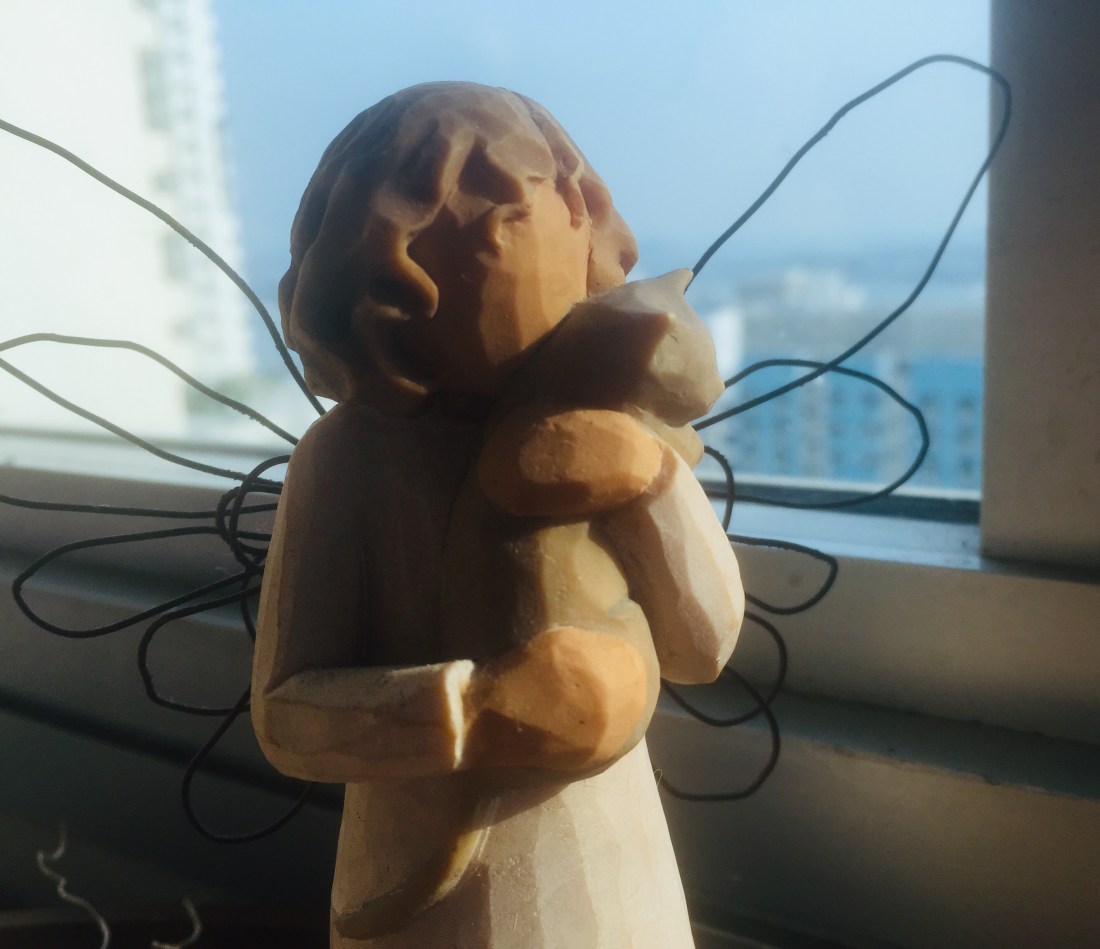
She had served the needs of homeless and dying animals faithfully even as she knew her life was ending. It’s now time for her to rest and let someone continue The Work.

At the traffic light junction outside the funeral parlour I asked a young lady in her late twenties if the way I was headed led to an MRT station.

She cheerfully offered to walk with me as she was also going in the same direction.

It turned out that she was learning to travel alone for the first time in her life. She had picked Singapore to be the first country for her solo practice and appreciated the predictability and order of our little island.

In her 4 days’ stay here she had memorised the MRT map and even knew I was living on the west of Singapore when I mentioned Jurong East. 😊

Solo Girl’s family has 7 dogs and care for a number of street cats. Her eyes opened wide in a mixture of horror and relief when I gave her the real reasons why unlike in her home country, she didn’t see any stray dogs or cats roaming Singapore streets.

I was to alight at Chinatown Point and she at Bugis Junction. Before we parted, Solo Girl asked me if I had any children. And when I told her I never married and never had any kids, she smiled warmly while her eyes lit up in amazement.

I believe this had to be the first time in my life that the mention of my unmarried and child free status solicited such looks of admiration! 😄

Solo Girl revealed that she felt very pressured to get married by her family and community. People told her that happiness could only come from being married and having children. She was getting a little stressed as she neared 30 and all her friends were settling down.

“Your family wants you to be happy and to them getting married and having kids is happiness. And because you’re such a pleasant girl, they cannot imagine you being alone. But it’s precisely because you’re such a lovely girl, you shouldn’t just marry anybody out of pressure,” I said, and we both laughed heartily at my touch of theatrics as I shared my opinion.

The tourist couple seated opposite us smiled. They could be wondering what kind of joke these two women from different races and generations were sharing.

Solo Girl was still laughing when I wished her a life of happiness on her own terms as I alighted the train.

In hindsight, Solo Girl’s short stay in Singapore might not be about sightseeing or shopping. It could have been a brief respite to recalibrate her emotions and clear her thoughts from gossips back home.

Maybe our meet up outside a funeral parlour of all places is a reminder for me to take responsibility for the choices I make, even if I have to make them alone.
Memories as Medicine

15 November 2019

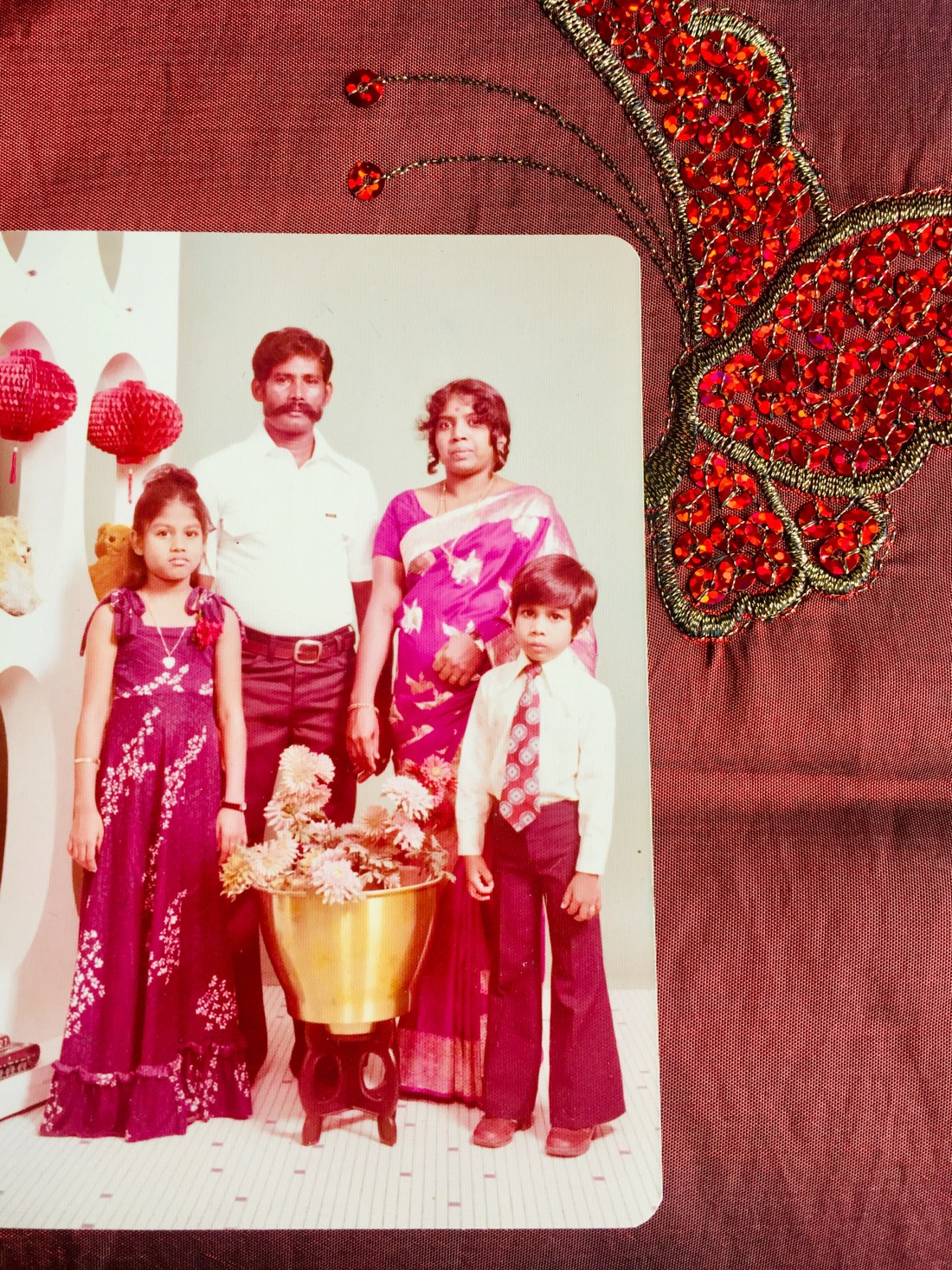
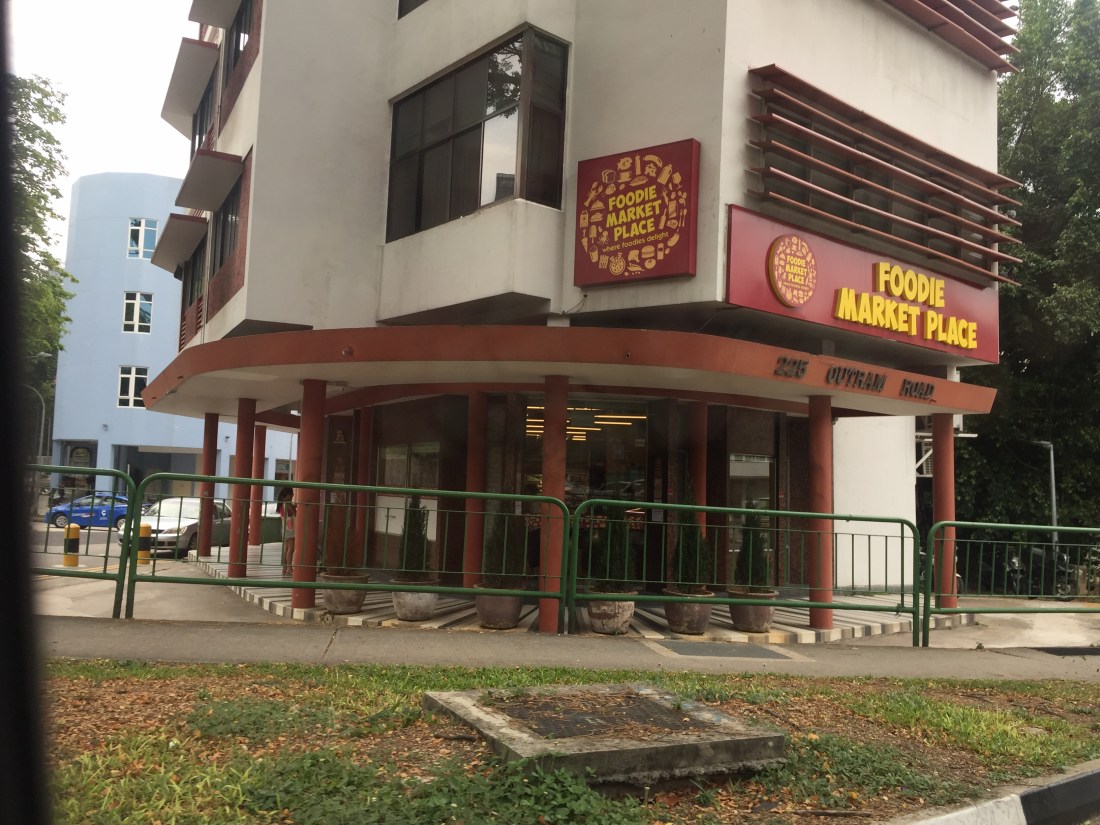
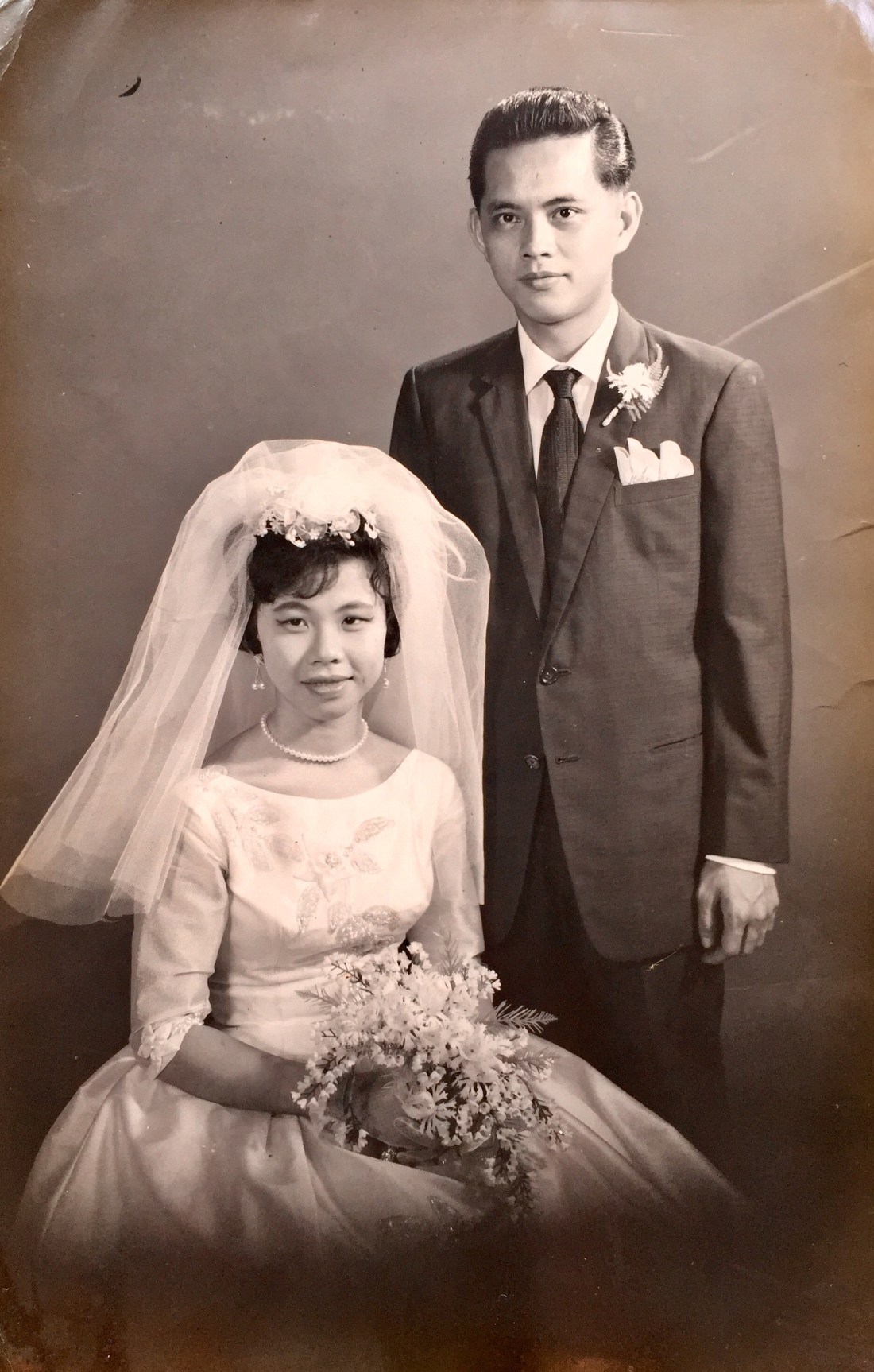
Yesterday afternoon I took a quick picture of the building that used to house the photo studio in which my parent had their wedding pictures taken over half a century ago.

225 Outram Road where my parents had their wedding pictures taken more than half a century ago.

It was the cheapest studio that my 25-year-old dad and 20-year-old mom could afford at that time.

My mom is now a grandmother with grown up grandkids. But still she has the habit of pointing out the now non-existent studio along Outram Road that took her picture when she was a young lady.

Dad was 25 years old and mom was 20 years old on their wedding day.

It pleases her to be reminded that the cheap studio has given her some really good pictures that have lasted all these years. 😄

And so when we look back on the past, be it through a building, or a picture, it’s not about trying to hold onto youth or to find fault, but it’s more about understanding our circumstances so that we can set the past free to merge with our collective sacred memory that inspires further journeys.

Seeking our roots to better understand our circumstances so that the past can be set free to merge with our collective sacred memory to inspire new journeys and healing.

Honouring Roots

1 Nov 2019

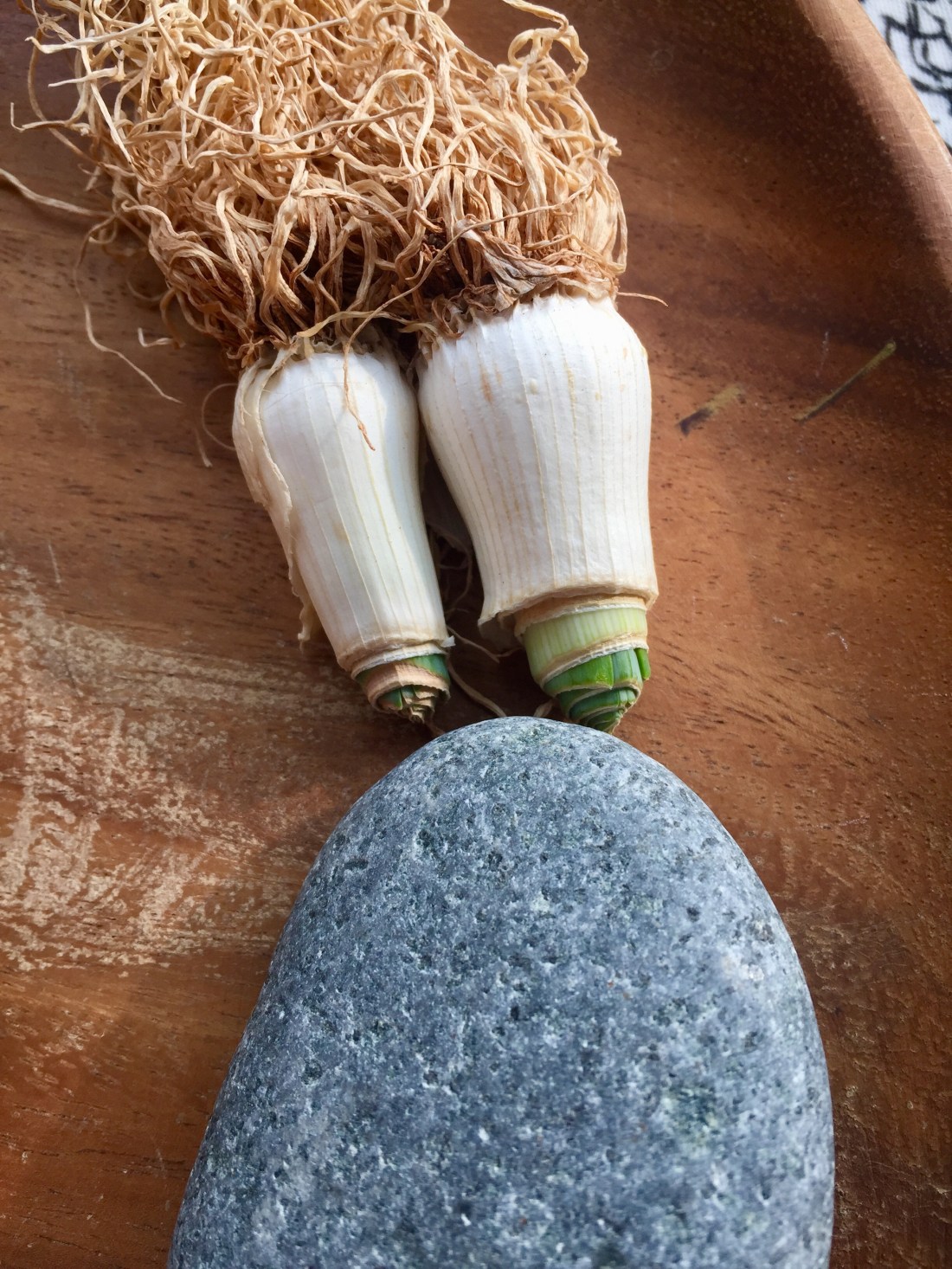
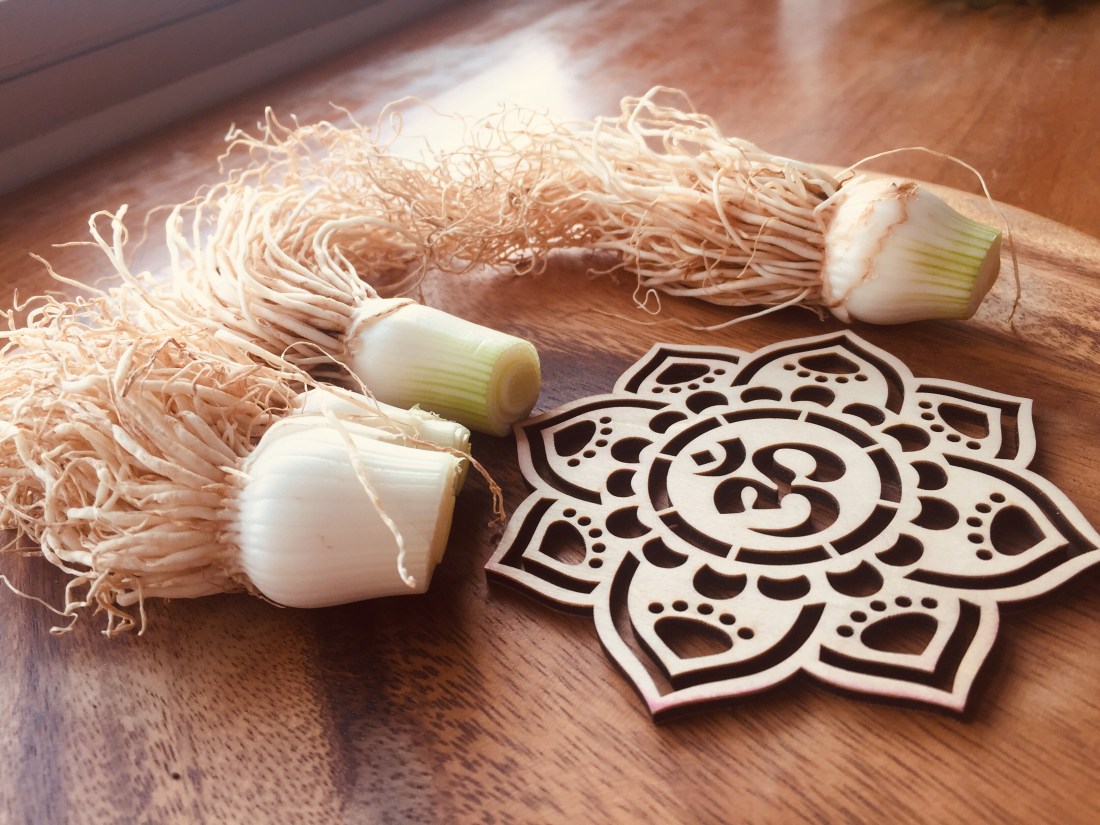
The humble leeks that I paid $1.40 cents for had travelled from Cameron Highlands to Sheng Shiong Supermarket before they ended up in my kitchen as lunch.

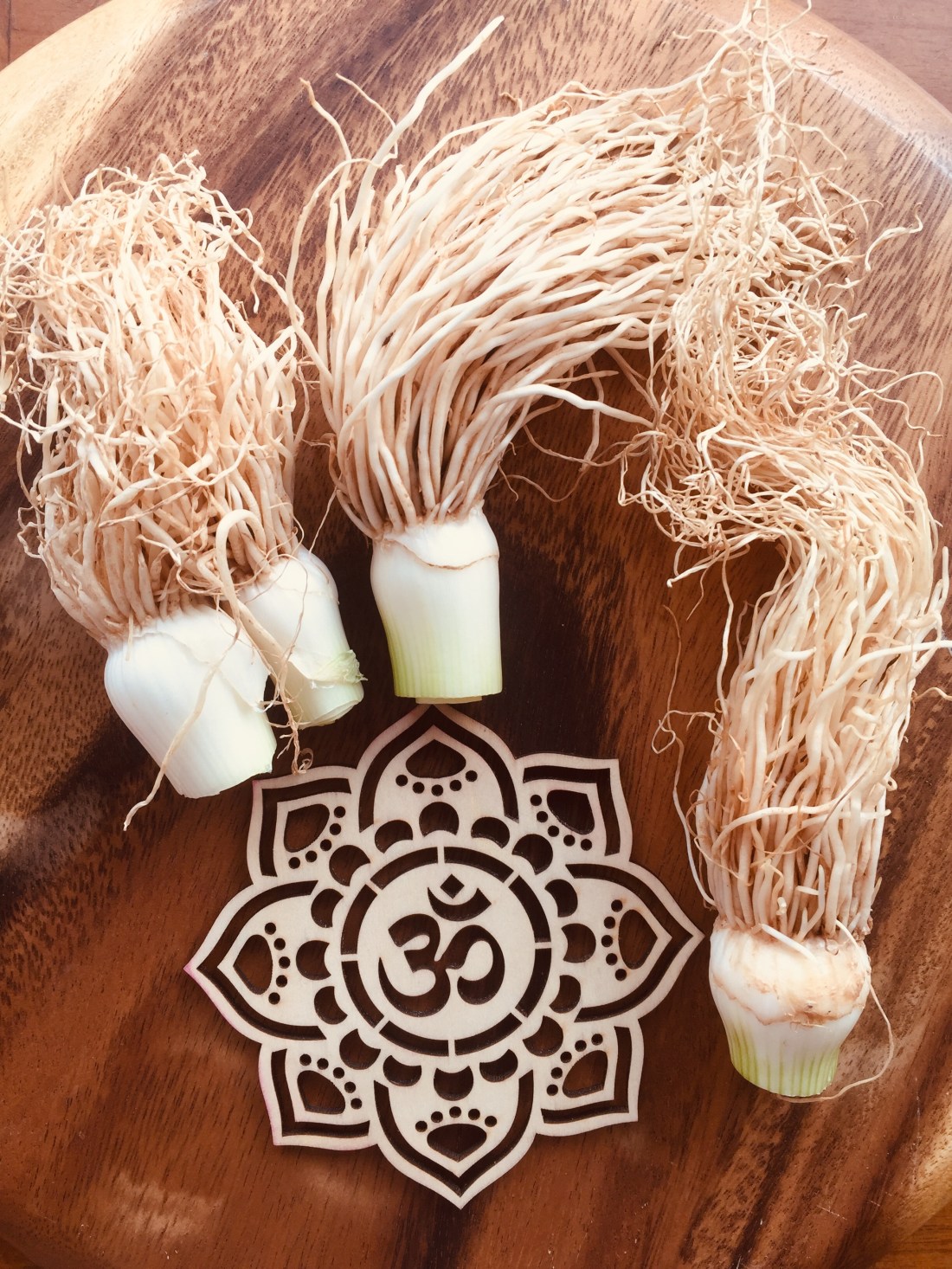
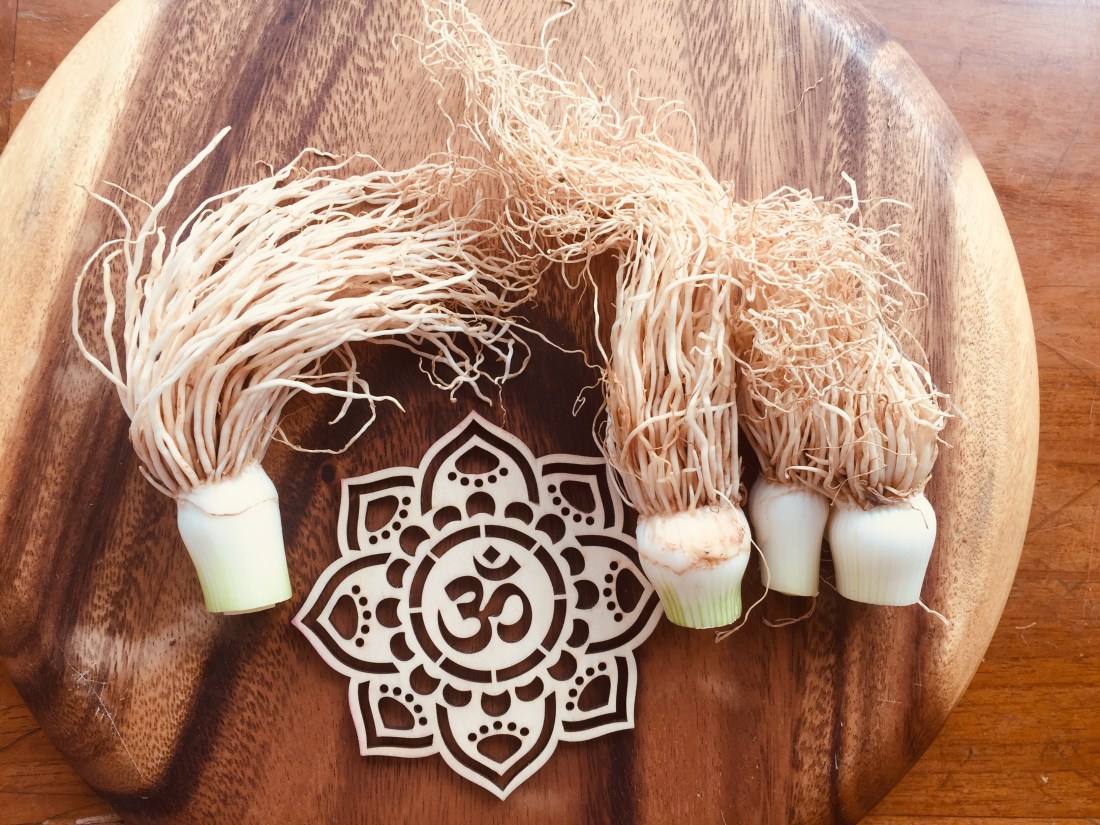
The roots have to be chopped off as they are inedible and trap soil. And even as these roots belong to the same species of vegetable, they differ in thickness, length and their curling angles.

Like the discarded portions of the leeks, the relevance & diversity of our origins that anchor us are often hidden or even when visible, are considered cumbersome in our rush to seek surface acceptance.

I think the neglect of our roots, whether by choice or circumstances, can also make us incredibly ignorant or hypersensitive to any comments or questions on race, colour, and even the pronunciation of cultural and ethnic terms.

As we step into the last two months of 2019, may we find time & space to seek and arrive at the grounding and sense of belonging that come from recognising and acknowledging our roots. Perhaps then we will feel secure enough to respond to the dynamics of life without causing harm to ourselves or to others.

My First Teacher on Inclusivity

26 Oct 2019 (Eve of Deepavali 2019)

When we relocated from a chinese village to a multi-racial housing board flat in the 70s, our immediate neighbour was an Indian family of four.

As the head of that household was 1 year older than my dad, my grandma told us to address him as Elder Uncle. Elder Uncle was Hindu and his wife Theresa was Catholic. Knowing that her name was too much of a challenge for our grandma’s untrained chinese tongue and for ease of communication, Theresa had kindly allowed her name to be modified into a rather inelegant sounding, “Ah Sa.”

“Ah Sa” had a key to our home and we had a key to hers.

In those days we had no telephone. If her relatives dropped by and there was no one home, we would unlock the door to “Ah Sa’s” flat on her behalf.

And if we misplaced our key to our home we need not panic because “Ah Sa” had a spare.

I loved lingering in her kitchen to watch her cook and be fed as well. I must have eaten hundreds of “Ah Sa’s” chapattis and dosas by the time I reached secondary school.

Her children, Manimaran & Selva were younger, and my mother was in love with their dark glossy hair and long eye lashes. My mother would touch Mani’s fringe affectionately and wondered aloud why her own kids had such flat hair.

Elder Uncle and “Ah Sa” were very strict parents but they had a soft spot for my youngest brother, Andrew, who was a toddler then. Elder Uncle would scoop him up and parade my baby brother around the neighbourhood like a prized pet.

Each Deepavali morning our Indian family would give us a tray of festive snacks in beautiful glass bowls covered with an embroidered organza tea cloth.

It was exquisite.

We would receive the tray with reverence and bring it into the kitchen to transfer its contents to airtight containers.

In return we filled “Ah Sa’s” glass bowls with sugar, candies and fruits to wish her a sweet and fruitful life ahead.

Years later, “Ah Sa” is the reason why I remember the names and aromas of Indian spices. She’s also the reason why I can stare at sarees and dupattas for hours and why I still tune into the Tamil radio station now & then.

I give thanks for the light of inclusivity that entered my world through this family, and hope to keep it shining in their honour.

Universal Light

25 Oct 2019

It was the second last lesson at the old campus. The students had been checking their marked exam scripts and tallying marks.

As much as we like to believe that marks are just marks, we also know marks determine GPA scores and have the power to call up all kinds of intense emotions.

We’re usually good at celebrating success but awkward at handling disappointments. Sometimes in our eagerness to help someone see the bright side of things, we ply them with glib platitudes & unsolicited solutions.

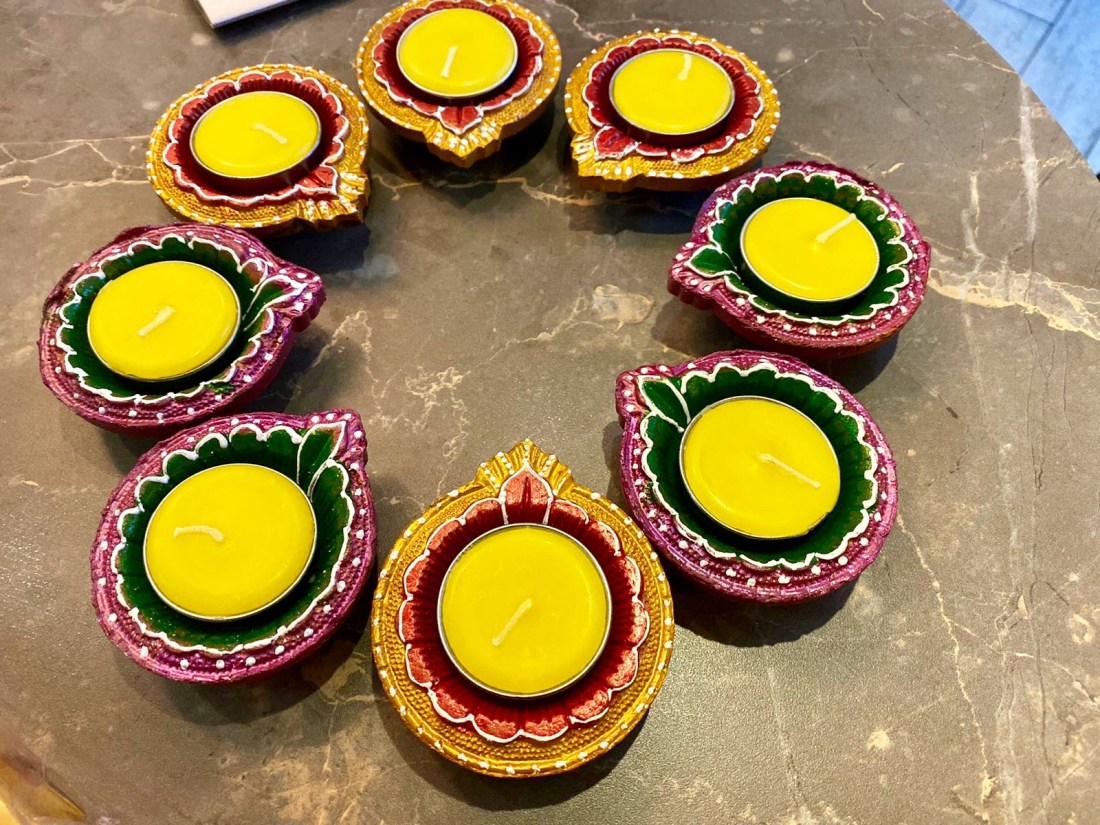
On that day I had prepared a lesson inspired by the Deepavali (Festival of Light) season and brought a small tea light in a decorative clay holder to represent a traditional oil lamp to class.

We explored the literal & figurative meaning of light, and the various symbolism of fire & light across cultures and in our everyday language.

The students cheered softly and their eyes lit up when the youngest in class struck a match to light the lamp.

A hush came upon the room as each child carefully passed the light from hand to hand, taking a moment to still their hearts to give thanks for the mental faculties to sit for exams and for whatever scores their efforts have brought them.

Slowly the heaviness of discontent lifted as the light burned brightly.

“I feel that there are a lot of things that I can look forward to in the future, and I feel motivated to work hard for the things that will happen next,” a student responded when asked how did holding a light in her hand feel like.

By contemplating on light, the students experienced how their minds could rise above the temporary disappointments that had threatened to lock them in a permanent state of fear and self-doubt.

When the lesson ended, I gave thanks to light and bless the room that had hosted us all these months.

That lesson turned out to be the last time I would be using that room as the following week, I would receive notice that the campus would close permanently.

As a result of the campus closure, we had the chance to conduct our final lesson of the year with a field trip to Little India where the students became part of the Festival of Light celebration.
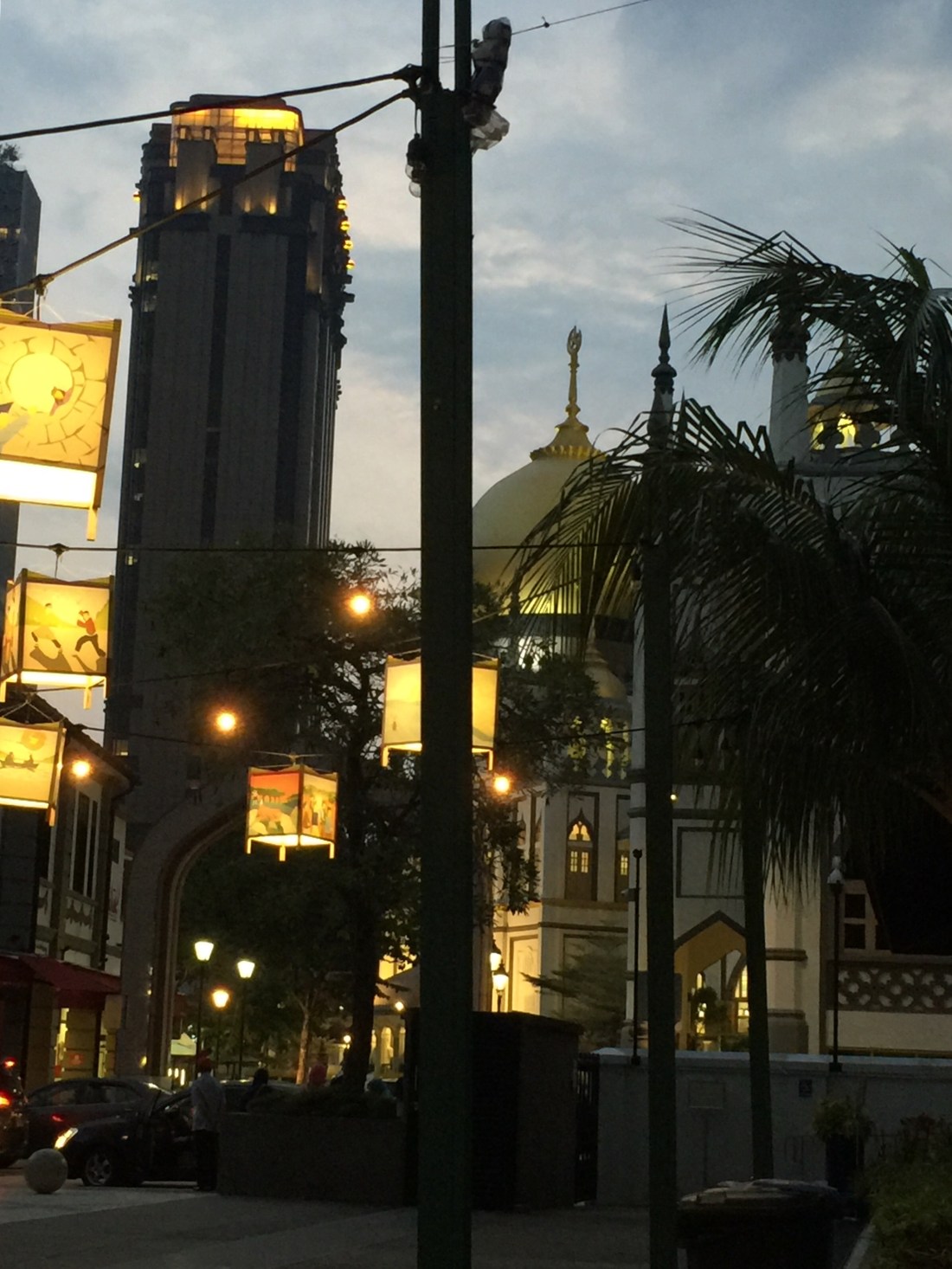
My wish of having our final lesson at Little India had been fulfilled by factors beyond my understanding.

So I like to take this chance to wish all my friends the blessings of Fire and Light, especially when we face situations & outcomes that are beyond our control.

Namaste.

Friday Evening

28 Sep 2019

“Every Friday, go spend some time & sit at a holy place…doesn’t matter what the religion is,” was a Hindu astrologer’s parting shot to me whenever we had tea at Cuff Road.

He had since passed on but each time I pass by holy places I think of him.

Yesterday evening I got the chance to be at a holy place on a Friday while a friend was conducting his prayers at the Sultan Masjid.

My original plan was to visit the shops at Haji Lane & Bussorah Street while my friend prayed.

But in the end I was just so happy sitting on a stone bench at the Malay Heritage Centre as the Friday prayers reverberated all around me.

Sharing Privileges (Heritage)

23 Sept 2019 (Autumn Equinox)

My late maternal grandfather rarely spoke, but he was always writing or reading.

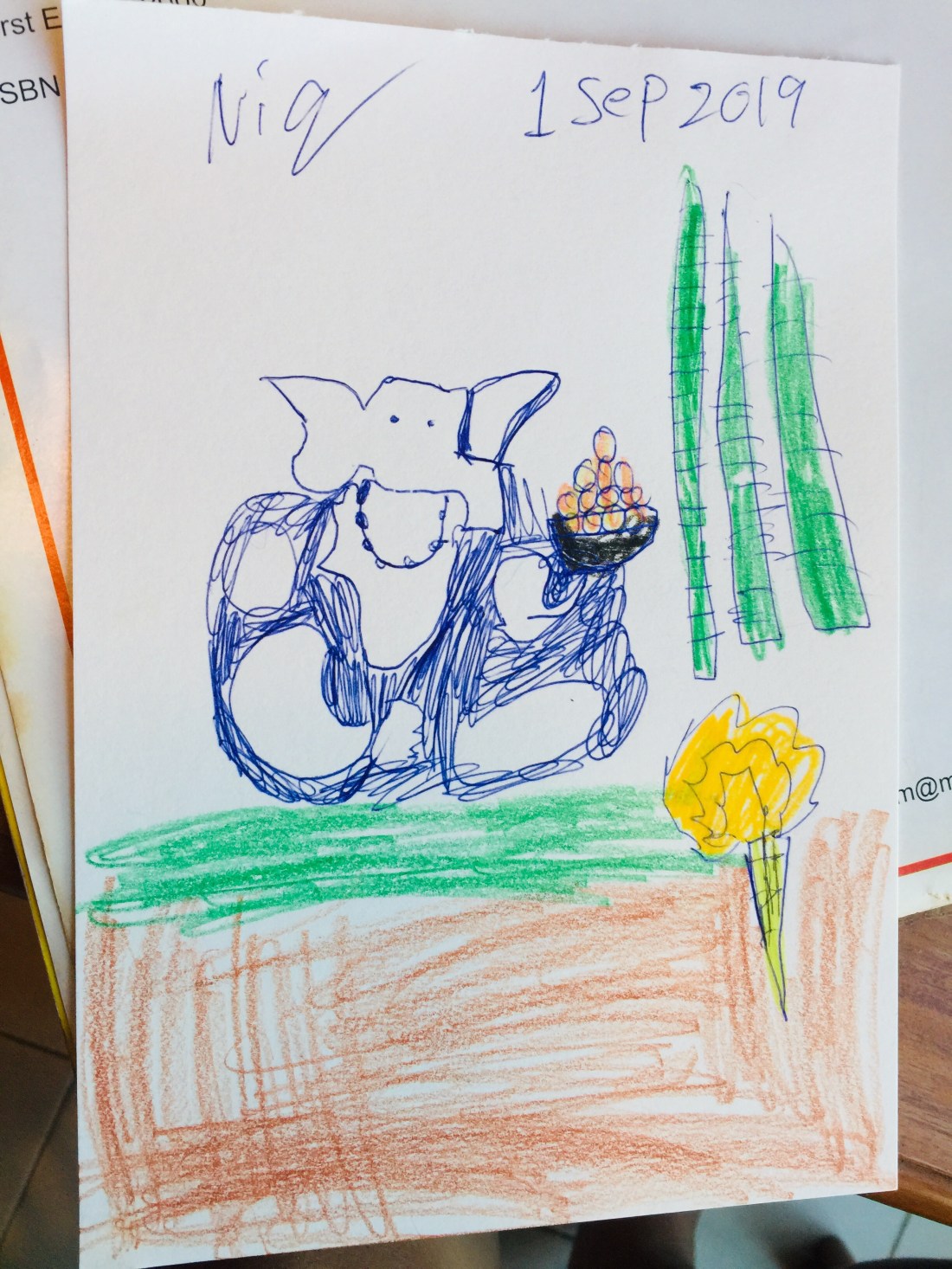
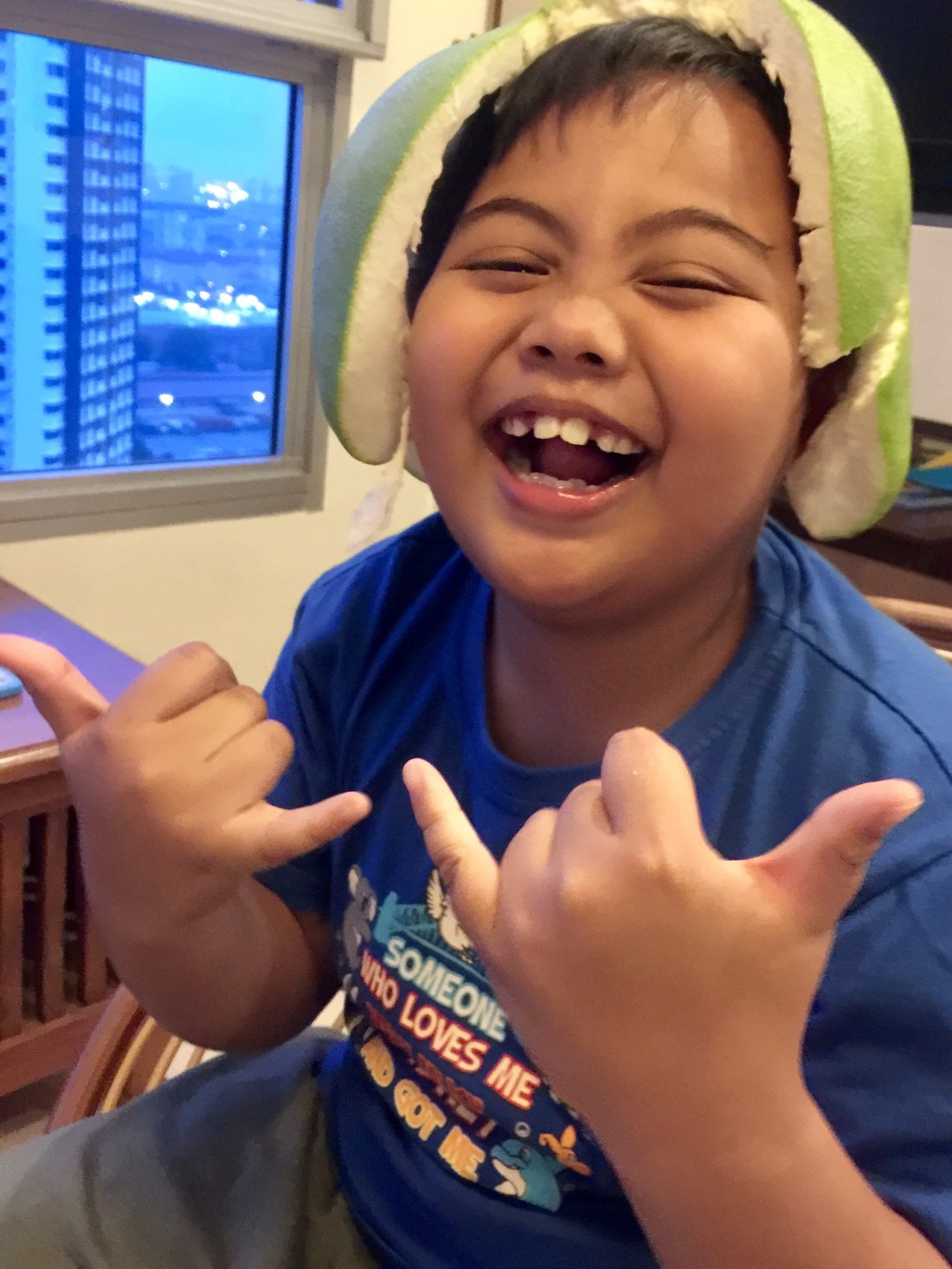
Niq having a blast with the mid-autumn full moon pomelo last week.

He would read the Chinese Language newspaper in Hokkien (Minnan) aloud while I giggled at the strange sounds.

Each year after I had purchased my new school supplies, I would put my new textbooks and exercise books on my grandfather’s desk.

He would spend the entire afternoon wrapping the covers of my textbooks and exercise books meticulously.

The whole book wrapping process was done in meditative silence. It felt like an elaborate ritual involving measuring, cutting, folding & pasting.

And if the wrapped book was a chinese language book, he would dip a brush in black ink and write my name in Chinese characters (王淑贞) on it.

By the way he protected my books and in the manner he wrote my name, my grandfather showed me reverence for knowledge and respect for a child.

And without using any grand gestures, my grandfather, a pig farmer and later on a temple caretaker who fed cats, ignited in me a love for animals, books and penmanship.

Half a century later, I would meet my First Tutee, a Malay child who would express interest in Chinese character writing even as I tutored him in English.

Ollie is officially Niq’s first cat and the late Kitty is his second. He told me when he has his own place, he’ll like to keep Kitty’s ashes with him.

As my grandfather taught me to care for cats, First Tutee also learns to befriend them.

As I was taught to revere knowledge, First Tutee learns to celebrate Wisdom too.

Bridges in the Teahouse

22 Sep 2019

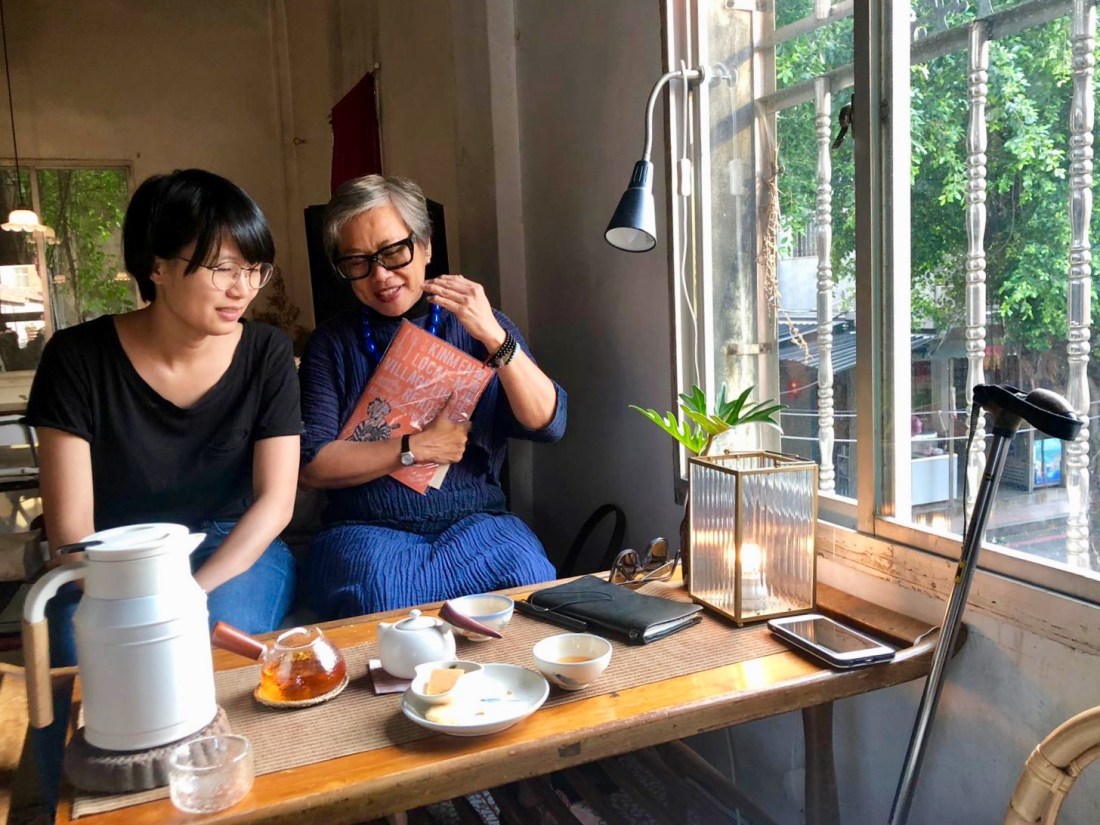
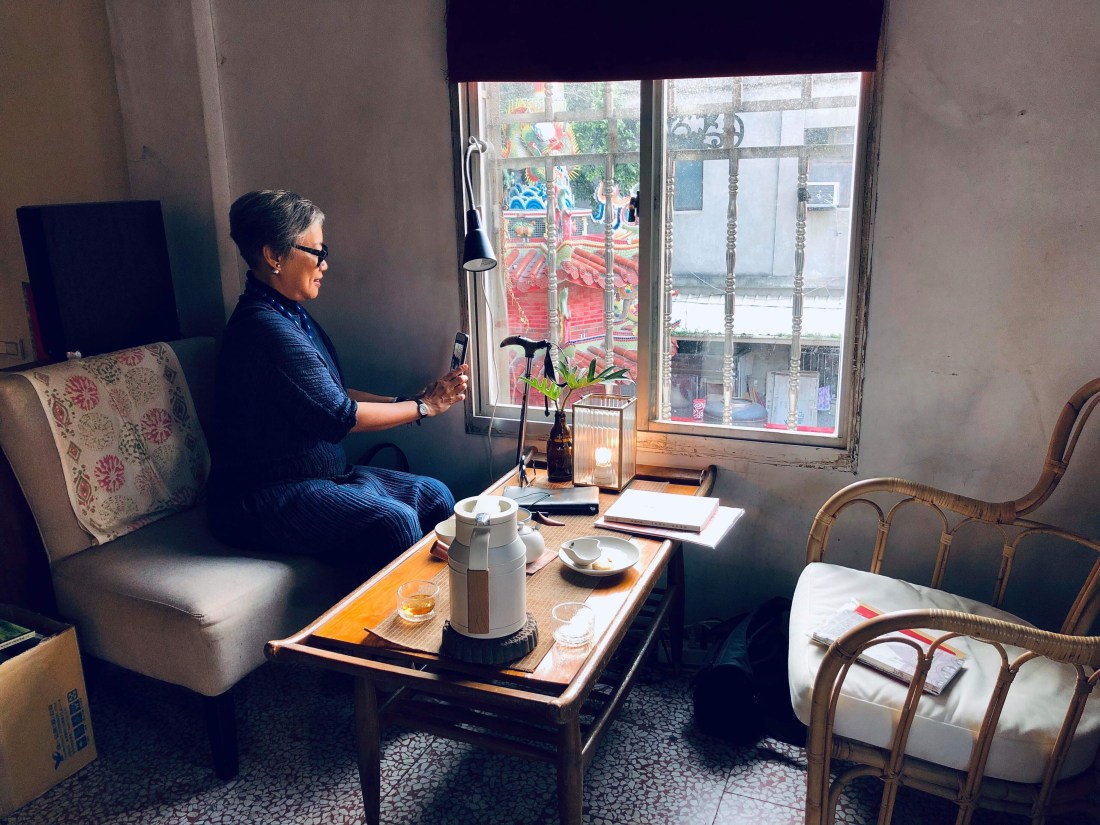
Two Sundays ago (8 Sept) we called on Wang Ling at the Local Teahouse (后浦泡茶间) in Houpu, Kinmen Island (金门)

She was my first point of Kinmen contact when I was reading up for my first trip in June to seek out my grandma’s birthplace.

On this second trip I was keen to show my travel mates, El & Ron, the juxtaposition of Wang Ling’s youthful hospitality with the nostalgic ambience of the quaint teahouse setting.

Over light Taiwanese tea paired with local kinmen snacks, conversations among the four of us from different backgrounds & ages flowed effortlessly.

The Local Teahouse was set up primarily to facilitate communication & cultural exchanges among young local working adults.

Apart from serving snacks & beverages, it also has specially curated merchandise & talks that promote interest and respect for folk cultures, literature, architecture and the arts. As a result, the Local Teahouse also welcomes overseas visitors.

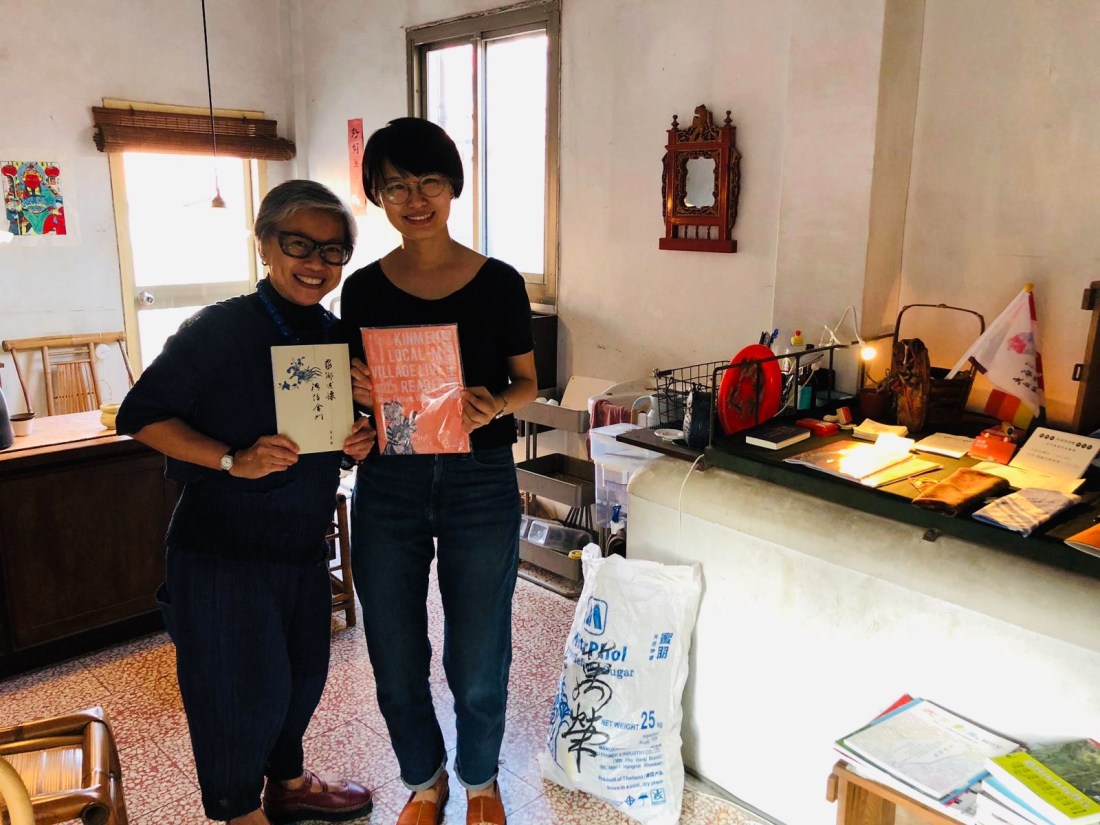
On this trip I was also very eager to pick up my copy of Local-M Village Live Reader, a magazine that promotes village revitalisation through music and many interesting activities.

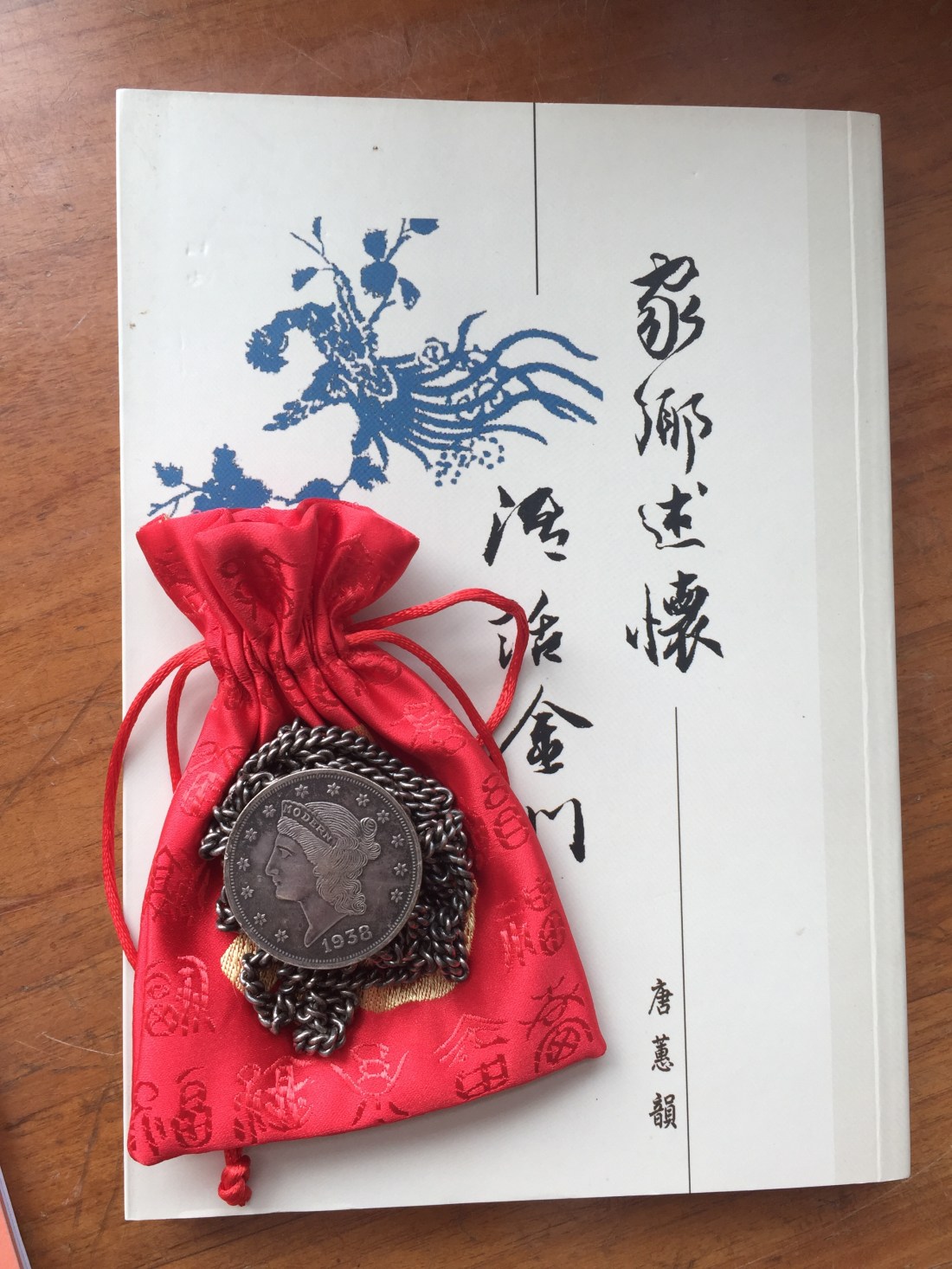
Along with the magazine, I was very happy to receive a book by scholar ethnographer, 唐蕙韻, of the Kinmen University.

The writer happens to share the same birthplace as my grandma. Even though she was born 58 years after my grandma, her book contains precious photos of old places in Houpu that my grandma might have seen and most certainly walked in.

The passage of time is indeed relentless.

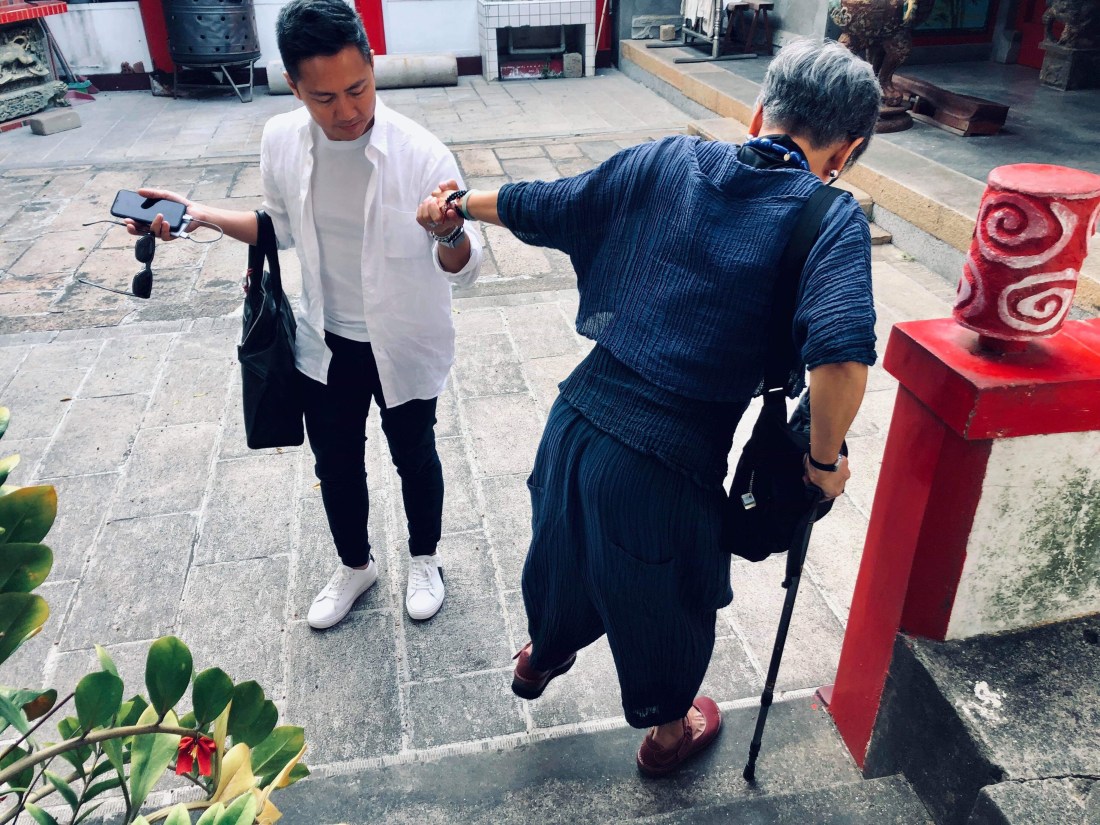
In my search to make sense of life, my trembling hands have found support and my aging feet have found bridges to walk on, thanks to the youthful vigour and compassionate hearts of the people that I’ve had the great fortune to meet.

And I wish for all youthful passions to be augmented with wisdom and compassion, so that a better world could emerge through the building of bridges, not barricades.

Holding On for Peace (为了和平)

21 Sep 2019

Kinmen Island is much more than a former military base or a war zone between the CCP and KMT.

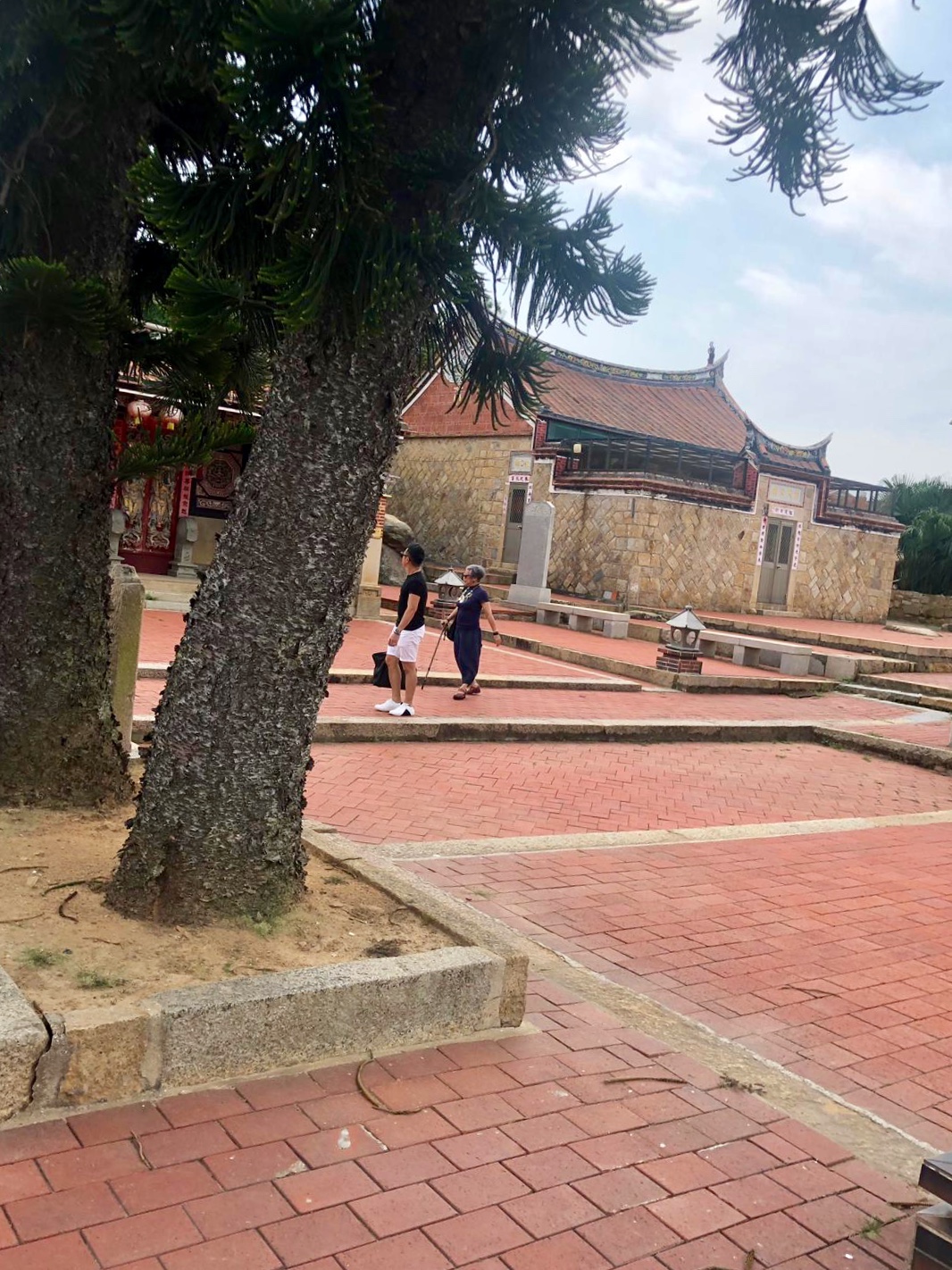
Walking among ancient pine trees and stones felt very peaceful.

This little island that has survived the ravages of bombing also contains shrines & human dwellings bearing features of Minnan architecture dating from 600 years ago.

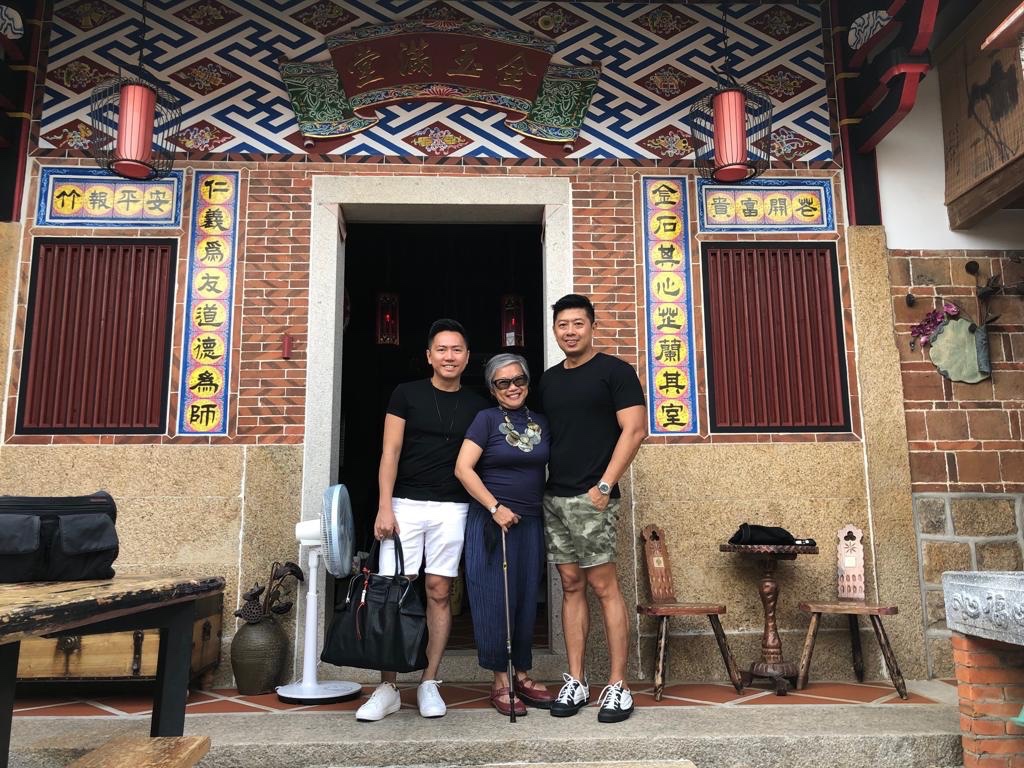
At the main courtyard of Zhu Shan Da Yuan. This house is at least 200 years old.

Our lodging this time was in the village of Zhushan (珠山), a short drive from the old city of Houpu(后浦) where my grandma was born.

In olden times auspicious dates & timings dictated the laying of stones, erecting of pillars & raising of beams. This could be why I felt very strong sitting in this space.

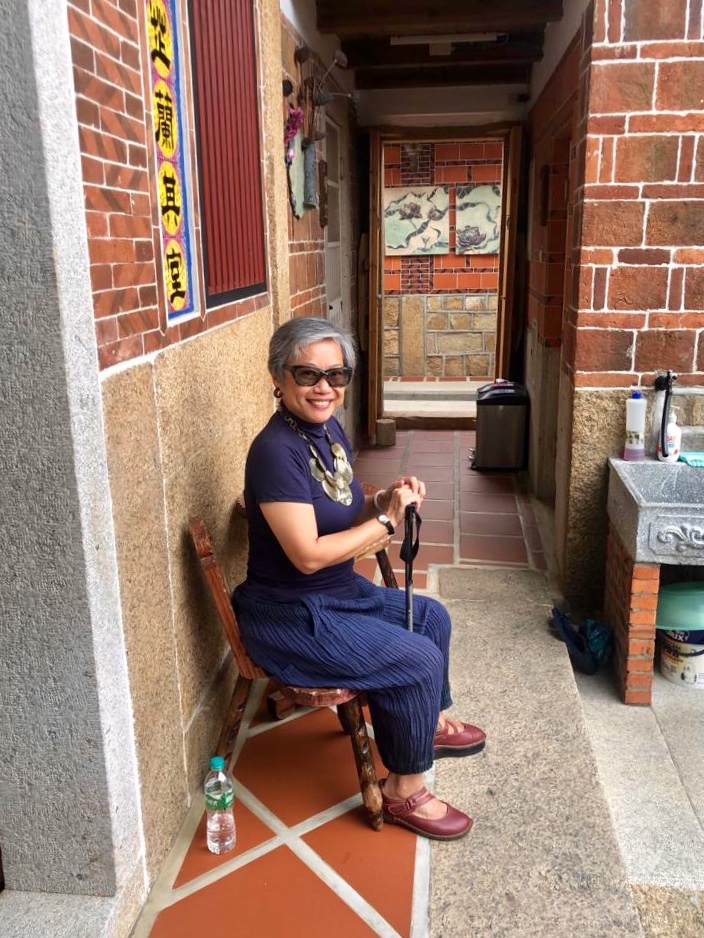
One morning as I sat gazing into the courtyard of the 200-year-old house while the birds chirped and a black butterfly lingered, I felt a deep sense of peace followed by gratitude to the Kinmen people, especially the elders.

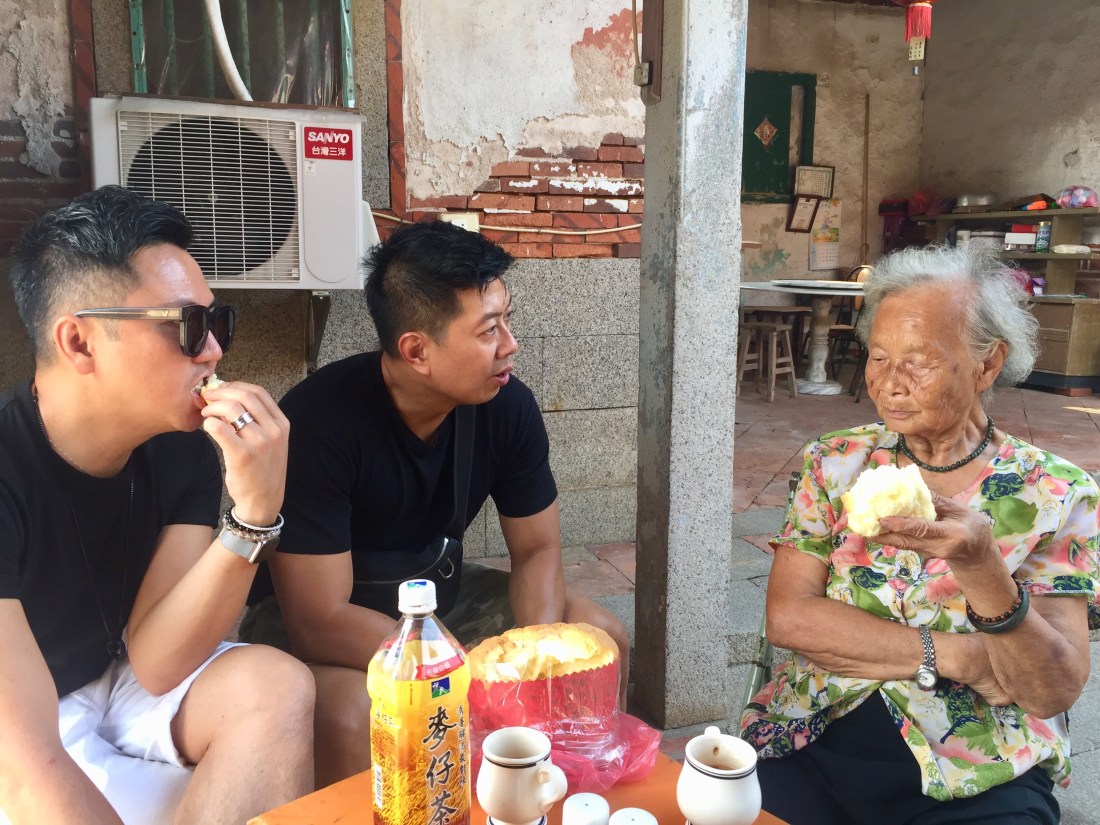
We shared a freshly baked sponge cake with Grandma Ongg who in turned nourished our spirit with her stories of how her home endured 4 bombings and how she & her husband raised and educated 7 kids through farming & hawking. She IS a victor in the wars of life and speaks about gains & losses with equanimity.

The older generations had suffered terribly during the wars, but they held on to their homes so that someone like us get to savour the peace and appreciate a bit of history.

Kinmen breakfast of porridge, buns and sweet potato in the days of plenty.

Take Time to Make Nice

14 Sep 2019

View of 100 year old tree from the cafe where Time is the secret ingredient in their cooking.

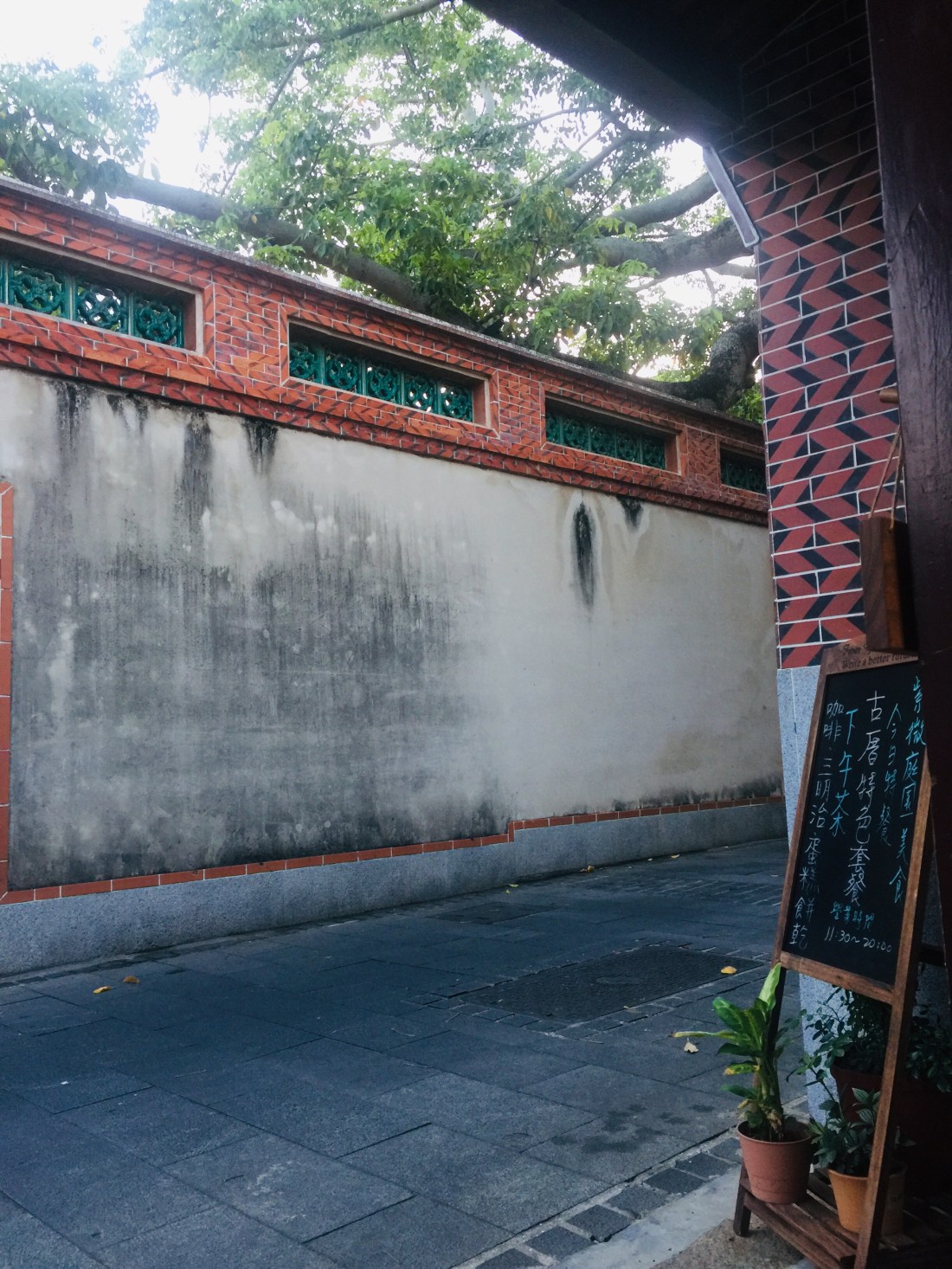
The owner of the cafe tucked in the alley behind the military headquarters(总兵署) was very detailed in giving us directions to Wu Miao (武庙), the temple that we needed to locate in order to be at Houpu Teahouse (后浦泡茶间).

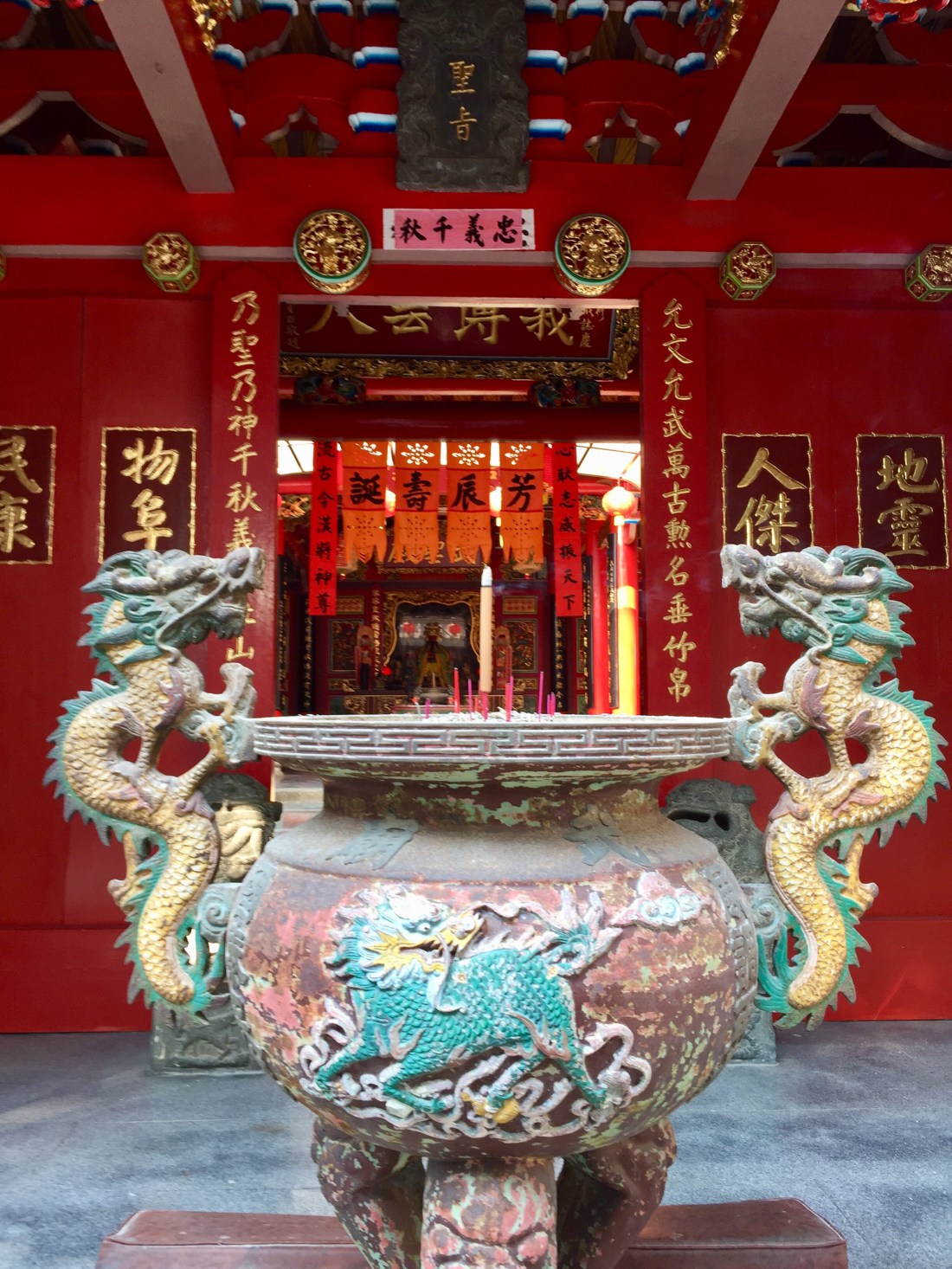
Wu Miao Temple dedicated to Kuan Yu, the Warrior Deity who stood for justice & loyalty.

He taught us two routes to our destination: one for the local people and the other for visitors like us. And he was fairly insistent that we took the latter because he didn’t think we could read the landmarks meant for the locals.

We took his advice & had a great time.

The next day El suggested that we took our dinner at the cafe as a gesture of gratitude for the owner’s kindness.

When we arrived, the local patrons chatting with the cafe owner immediately offered us their table in the courtyard because they believed their position was the coolest and nicest part of the cafe on a hot summer day.

During our walk we got lost and gained this majestic tree and the hospitality of a cafe owner & his wife.

The cafe owner’s wife gave us our evening meal of cooked rice, slowly braised dishes, lightly fried cabbage & pickled vegetables.

When we complimented the wife for her amazing food, she smiled & told us her secret ingredient was time.

She said what we just had were ordinary produce braised in soya sauce with a bit of sugar over slow fire for 3 hours. Some dishes were cooled and then chilled in the refrigerator in order for the flavours to gather & settle.

And so what we ate was essentially Time, as she revealed with glowing pride.

The houses in this back alley are easily 100-200 years old. My grandmother was born in this city and I like to think she passed through here before.